Emergency Dental Techniques: A New Era of Patient-Centred Care
Revolutionising Emergency Dental Practice
The landscape of emergency dental care has undergone a remarkable transformation in recent years, with innovative techniques and technologies reshaping how practitioners approach urgent oral health situations. This evolution represents more than mere technological advancement; it embodies a fundamental shift towards genuinely patient-centred care that prioritises comfort, efficiency, and optimal outcomes during dental emergencies.
Modern emergency dental practices have embraced sophisticated diagnostic tools and treatment methodologies that enable rapid assessment and intervention. Digital imaging systems now provide instant, high-resolution views of dental structures, allowing practitioners to identify problems with unprecedented accuracy. These advancements have significantly reduced the time between initial consultation and treatment commencement, a crucial factor when patients are experiencing severe discomfort or trauma.
Advanced Diagnostic Technologies in Emergency Settings
Contemporary emergency dental facilities utilise cutting-edge diagnostic equipment that has revolutionised the assessment process. Intraoral cameras provide real-time visualisation of affected areas, enabling practitioners to explain conditions clearly to patients whilst simultaneously documenting the extent of damage or infection. This transparency fosters trust and helps patients understand the necessity of proposed treatments.
Digital radiography has become the gold standard in emergency diagnostics, offering immediate results with significantly reduced radiation exposure compared to traditional film-based systems. The ability to manipulate digital images for enhanced contrast and magnification allows for more precise diagnosis of fractures, infections, and other urgent conditions. Emergency dental care technology continues to evolve, incorporating artificial intelligence to assist in pattern recognition and diagnostic accuracy.
Patient-Centred Pain Management Strategies
Contemporary Anaesthetic Techniques
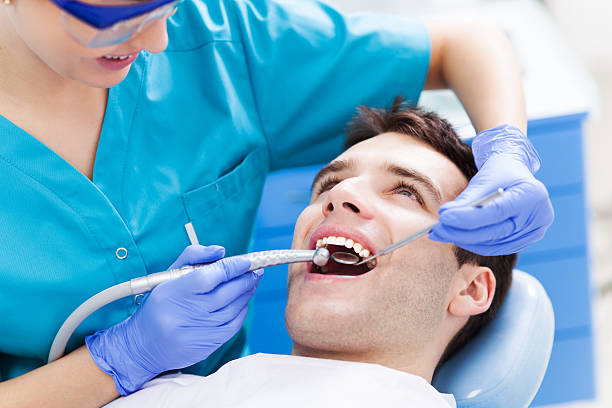
Pain management in emergency dental situations has been revolutionised through the development of more effective anaesthetic delivery systems. Computer-controlled local anaesthetic delivery devices ensure precise administration with minimal discomfort, whilst topical anaesthetics have become more potent and faster-acting. These improvements have transformed the patient experience, reducing anxiety and enabling more comfortable treatment procedures.
The integration of sedation options has expanded significantly, with nitrous oxide systems becoming more sophisticated and oral sedation protocols more refined. For patients seeking immediate care, services such as an emergency dentist Wakefield exemplify how modern practices combine advanced pain management with compassionate care delivery.
Minimally Invasive Treatment Approaches
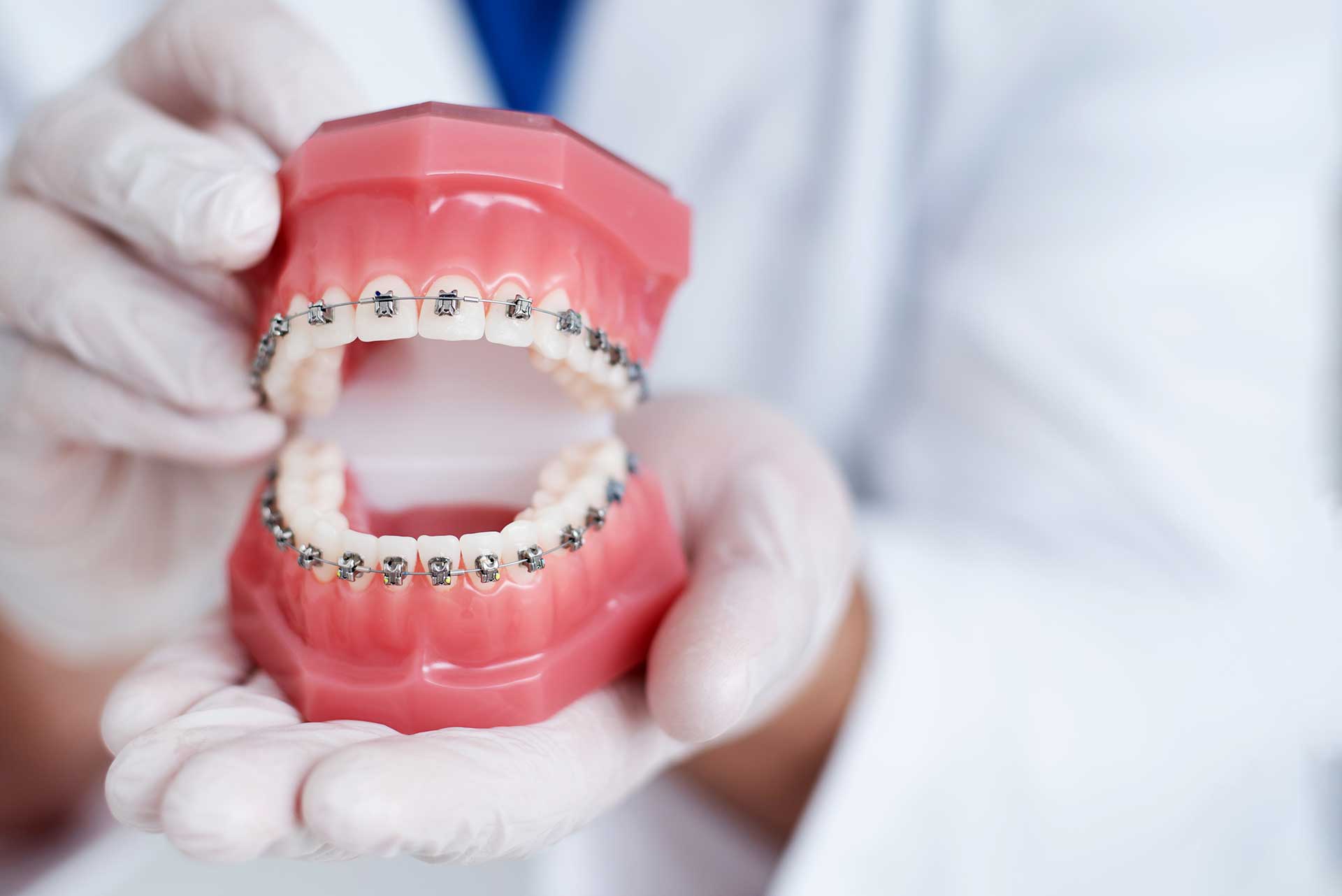
The philosophy of minimally invasive dentistry has permeated emergency care protocols, with practitioners now employing techniques that preserve maximum tooth structure whilst addressing urgent concerns. Laser therapy has emerged as a particularly valuable tool, offering precise tissue management with reduced bleeding and enhanced healing times. These lasers can effectively treat soft tissue injuries, perform emergency pulpotomies, and manage infections with remarkable precision.
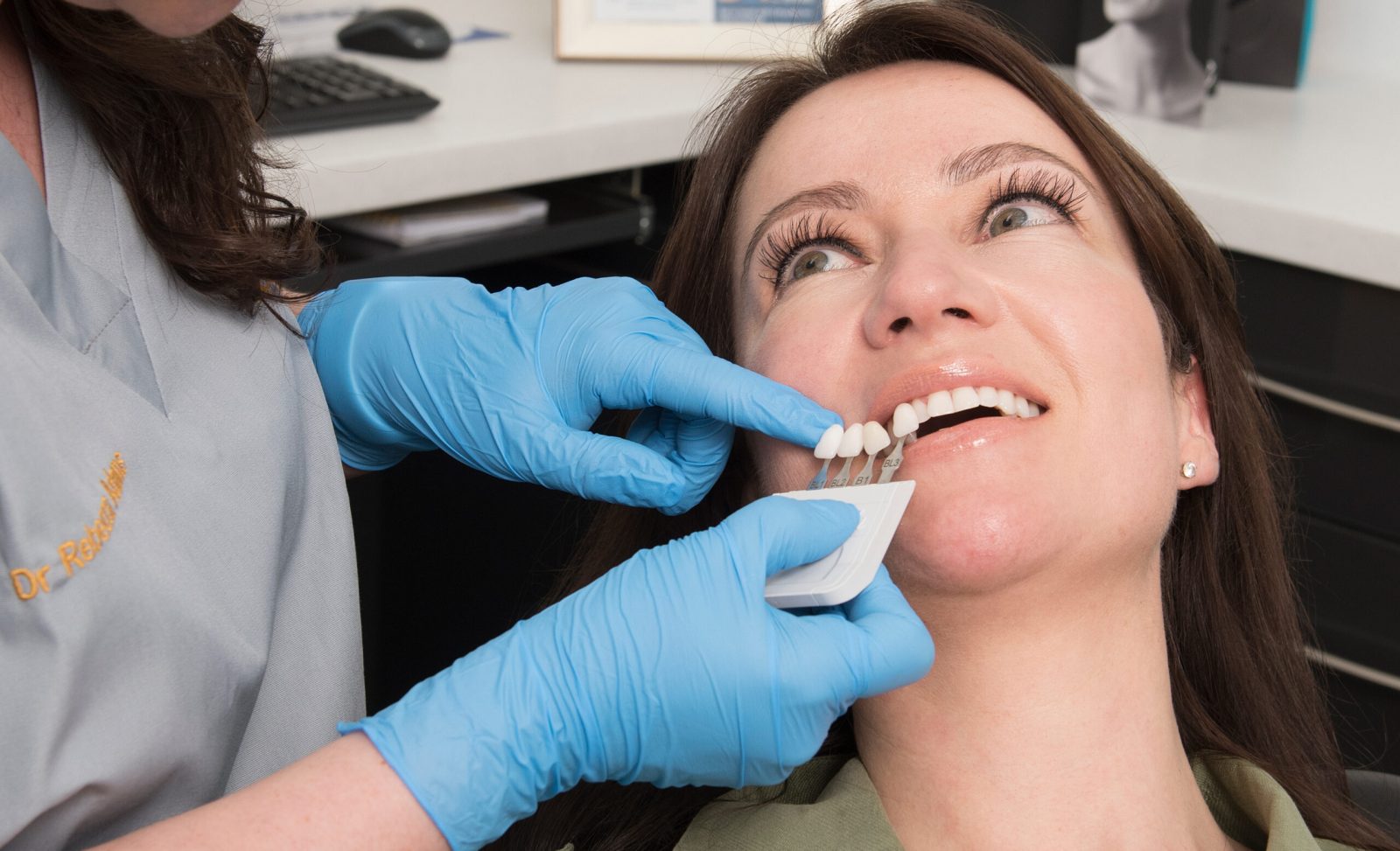
Biocompatible materials have advanced considerably, with emergency restorative options now including tooth-coloured composites that can be placed and cured within minutes. These materials not only provide immediate functional restoration but also maintain aesthetic considerations, recognising that dental emergencies often occur at the most inconvenient times when appearance matters significantly to patients.
Integrated Care Coordination and Follow-Up
Modern emergency dental practices have recognised that true patient-centred care extends beyond immediate intervention. Comprehensive care coordination ensures seamless transitions between emergency treatment and ongoing dental care. Digital treatment planning software enables practitioners to map out complete treatment pathways, ensuring that emergency interventions align with long-term oral health objectives.
Telemedicine integration has become increasingly valuable, allowing for remote consultations and follow-up appointments that reduce the burden on patients whilst maintaining continuity of care. This approach has proven particularly beneficial for patients who may have mobility limitations or those requiring frequent monitoring during recovery periods. Understanding dental emergencies and their comprehensive management has become essential knowledge for modern practitioners.
The incorporation of patient feedback systems and outcome tracking has enabled practices to continuously refine their emergency protocols. Real-time patient satisfaction monitoring ensures that care delivery meets evolving expectations whilst maintaining clinical excellence. Modern technology’s role in dental care continues to expand, offering new possibilities for enhanced patient experiences.
The Future of Emergency Dental Care
The transformation of emergency dental techniques represents a paradigm shift towards truly patient-centred care that acknowledges the unique challenges faced during dental emergencies. Through the integration of advanced technologies, refined treatment methodologies, and comprehensive care coordination, modern emergency dental practices have elevated the standard of urgent oral healthcare. This evolution continues to benefit patients across the country, with services like a same-day dentist Wakefield leading the way in implementing these innovative approaches. The future promises even greater advancements in emergency dental care, ensuring that patients receive optimal treatment when they need it most.